
Creating Leftover Magic
Going Green in Catering: Because Saving the Planet Tastes Better!
So far we have talked about the Green Mindset and how it’s a team effort to make the shift in your business towards establishing more green initiatives.
We also determined that your menus are the main attraction and starting small, creating seasonal menus, and seeking out local ingredients is a great start to your mindfulness in the kitchen
The next topic we want to discuss is food waste and food rescue from landfills. Tackling food waste doesn’t have to be an afterthought but rather a part of the green catering strategy
I like to joke that reducing waste is like going on a diet, but for the planet. It’s time to help the Earth shed those extra carbon emissions.”
So many issues may arise when considering food waste. Instead of your food scraps landing in the trash consider some of these alternatives.
What to do with leftovers?
Starting small and saving food scraps for the stock is a simple first step, Can extra roasted veggies become soup? Can last night’s bread turn into croutons or bread crumbs? A little ingenuity goes a long way.
What organizations Can We Donate Leftovers?
Many local shelters and food banks accept surplus food, though regulations vary. It’s worth researching partnerships to safely donate what’s still edible.
Controlling Portion Control & Over-prepping
No one wants to over-prepare and waste food, but in catering, it’s a balancing act—having enough for everyone while avoiding excessive leftovers
Composting: this a HOT Topic:
( I will dedicate an entire blog on this topic)
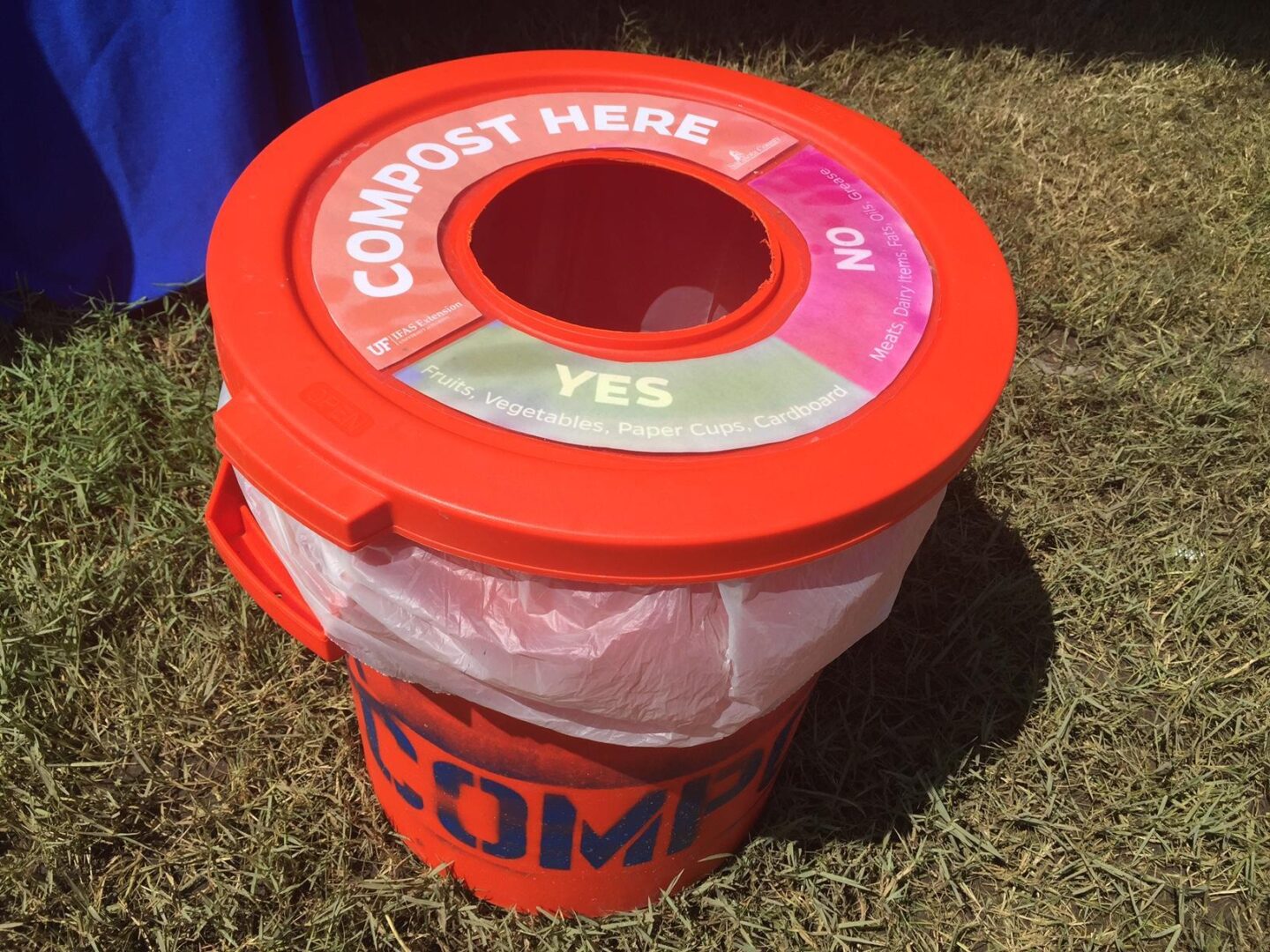
For food that can’t be reused, composting is a game-changer. It not only diverts waste from landfills but also transforms scraps into nutrient-rich soil. It will take some research to find out if there are places to take other food scraps that can not be turned into a sauce or stock. This is where it does start to get real and more thought into how can you make this happen. Most towns and cities are creating ways for consumers to compost.
Reducing food waste in your commercial kitchen might seem challenging depending on your location, however with adopting the green mindset you are on your way. Seek collaboration opportunities with other like-minded business owners and you will experience the shift in how you operate. This also offers a ripple effect on your employees and the community.
By making small but intentional changes in how we handle food waste, we contribute to a larger movement—one that benefits the planet, our communities, and even our bottom line. Reducing waste isn’t just about sustainability; it’s about rethinking the way we approach food and making the most of every ingredient.
Next UP:
—because what we serve our food on matters just as much as what we serve. Stay tuned!